


Table of Contents
Studying abroad should open doors, not close wallets. We know Indian students want quality education and clear budgets. The UK hosts over 600,000 international students, and many universities offer affordable tuition and strong career outcomes.
Several institutions have programs with tuition around 10,00012,000 per year. Cities such as Belfast, Newcastle, and Sheffield can be up to 40% cheaper than London. That makes total cost and living easier to manage. We’ll show how to balance tuition, scholarships, part-time work, and real-world projects to boost employability.
Grad-Dreams guides students end-to-end from shortlisting and SOP help to scholarship strategy and visa planning. By the end, you’ll feel ready to shortlist affordable options that match your goals.
TL;DR
- Affordable programs exist with tuition near 10k – 12k per year.
- Choose cheaper cities to cut living costs up to 40% versus London.
- Use scholarships, part-time work, and internships to offset cost.
- Factor hidden expenses – visa, NHS surcharge, deposits, and flights.
- Grad-Dreams helps with shortlists, applications, and scholarship plans.
Why the UK Still Be Affordable for International Students?

Choosing the right city and program makes British study affordable without sacrificing quality. We walk you through clear choices that balance learning and living needs.
Start with city choice. Cities such as Belfast, Newcastle, and Sheffield can lower monthly costs by up to 40% compared to London. That drop affects rent, transport, and food, so total costs shrink fast.
Pick programs wisely. Several universities offer masters study with tuition near 10,00012,000 per year, and many programs carry extra fee discounts or scholarships for international students.
Spread payments via installment plans to ease cash flow. Combine part-time work, placements, and internships to add income and hands-on experience, two wins for students on a budget.
- Choose classroom-based courses where labs or clinics are not needed.
- Apply early to access scholarships and housing deals.
- Compare total costs, not just headline tuition.
Low fees university in UK: Top Picks
Looking for strong career pathways without breaking the bank? Several UK institutions offer excellent value. Universities like Cumbria, Teesside, Leeds Beckett, and Chester provide competitive fees, scholarships, and strong employer links, while Staffordshire, Coventry, and York St John stand out for predictable pricing and high ROI. Disciplines such as business, MBAs, engineering, computing, social sciences, and humanities combine practical learning, modern labs or supervision, and affordable tuition making them smart choices for budget-conscious students. Several Institutions offer budget friendly tuition and strong career pathways. Options like University of Cumbria, Teesside, Leeds Beckett and Chester provide competitive fees, scholarships and strong employer links. Staffordshire, Coventry and York St John also stand out for predictable pricing and good return on investment.
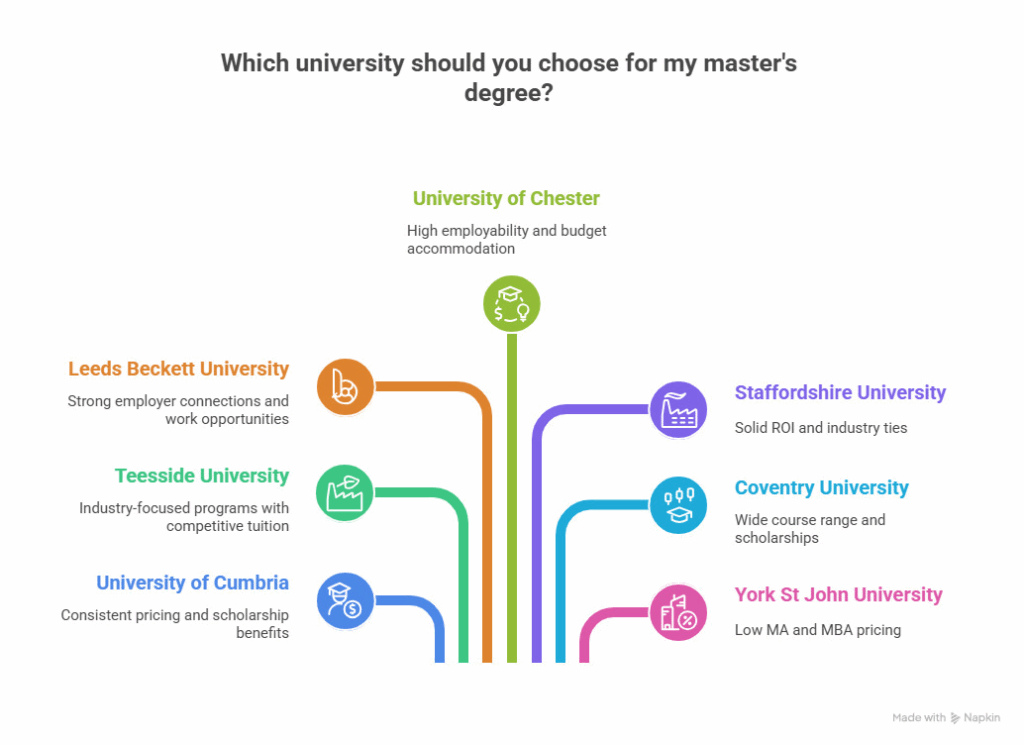
Salary prospects matter: STEM and business graduates often earn 30,000 – 45,000, helping repay tuition within a few years. Leeds Beckett’s 3,000+ employer partnerships and Chester’s 90%+ employability rates highlight the power of strong networks, internships, and placements.
Tips for Maximizing Value:
- Check internships, accreditations, and capstone projects for career impact.
- Compare module lists and assessment styles to match your strengths.
- Prioritize programs with live industry briefs for CV-ready experience.
What Makes Fees Vary by Course and University

Tuition Fees in the UK vary by course and university due to several factors. Specialized programs like medicine, engineering or lab based sciences cost more because they require expensive facilities, equipment and expert staff. MBAs often carry a premium as well, demand, leadership training, and placement support push prices up, although some institutions offset this by setting uniform tuition across master’s courses to offer predictability for international applicants. Universities with strong reputations or in-demand courses may charge higher fees to reflect their brand value and resources. Location also plays a role, schools in major cities often have higher costs. Scholarships, government funding, and international student pricing policies can further influence fees, making research and comparison essential for budget planning.
Classroom vs Lab vs Clinical programs
Classroom subjects often have lower running costs. They need fewer instruments, less specialist space, and less technical staff time.
Lab-heavy sciences and engineering need technicians, consumables, and costly equipment. That raises tuition and overall fees.
Clinical courses (medicine, dentistry, vet) are the most expensive. They require specialist facilities and long staff contact hours.
Affordable UK Cities to Stretch Your Budget
Where you live while studying often shapes your monthly budget more than tuition does. Choosing a cost-effective city can free money for internships, projects, or savings.

Looking for a student friendly UK city that won’t drain your budget? Belfast, Newcastle and Sheffield tick all the boxes. Belfast blends rich cultural diversity with lower rents and plenty of shared housing close to campus, so settling in feels easy and affordable. Newcastle’s compact layout, buzzing student scene, and excellent services mean you will spend less on commuting and more on making memories. And Sheffield? Its living costs can be up to 40% lower than London, serious savings without missing out on quality of life. To dive deeper into how these cities compare on cost and lifestyle, check out the below table.
Practical tips: cook at home, use student transport passes, and choose shared housing near campus. Small monthly savings in rent, food, and utilities add up across the year.
| City | Typical rent (per month) | Transport & food | Student perks |
| Belfast | £300 – £850 | Cheap buses; affordable markets | Strong community, easy part-time options |
| Newcastle | £400 | Compact city, low commute costs | Vibrant student campuses and services |
| Sheffield | £360 – £800 | Very affordable groceries and transport | Excellent value for academics and life |
Scholarships and Fee Discounts You Shouldn’t Miss

Targeted scholarships and campus discounts can reduce your total study cost by thousands of pounds each year, making budgeting far more manageable. Many universities automatically apply fee discounts at the offer stage, while merit and department based awards reward strong grades, portfolios, or relevant work, some departments even reserve funds for exceptional candidates. Examples include the Cumbria Global Scholarship, which trims 1,000 off many MA/MSc programs, Coventry’s tuition reductions of 1,500 – 2,500, and Liverpool Hope’s home fee continuation options for recent graduates. To maximize savings, check eligibility criteria early, tailor your applications, and combine awards with studying in lower cost cities.
Key Points to remember:
- Automatic discounts: Many programs apply fee cuts at the offer stage, reducing upfront costs.
- Merit and departmental awards: Reward strong academics, portfolios or work experience, some departments have dedicated funds.
- Action Tips:
- Confirm eligibility and deadlines early – late applications miss funds.
- Tailor applications to align with award criteria.
- Combine scholarships with affordable cities to lower your overall budget.
Part-Time Work and Internships: Earning While You Learn

Part-time work and internships are powerful tools for earning income, gaining experience, and building career momentum while studying abroad. Following visa regulations is essential most international students can work up to 20 hours per week during term time and full-time during vacations. Staying within these limits keeps your status secure while allowing you to explore flexible earning opportunities.
Students can choose from on-campus roles such as library, administrative, or research support, which offer convenience and strong campus connections. Off campus jobs and paid placements often provide higher wages and valuable exposure to local industries, while internships and placement years deliver hands-on experience directly aligned with your career goals.
To maximize employability, seek internships with clear responsibilities and managers who can serve as references. Networking through alumni events and career fairs, maintaining a polished LinkedIn profile, and tailoring your CV can open more doors.
Application Timeline for the current Intake
Start your timeline early to avoid last minute stress and catch the best scholarship windows.
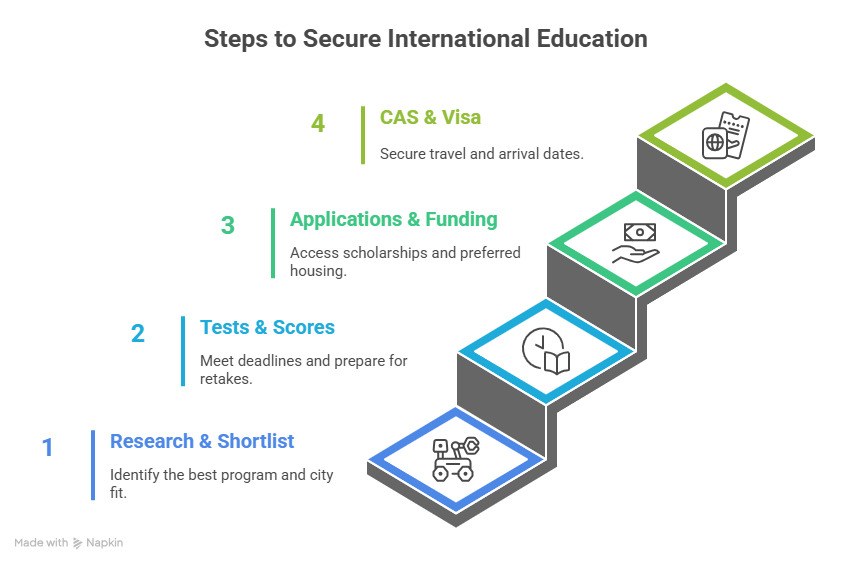
We recommend a clear, time bound plan so you can apply early, secure awards, and avoid extra costs. Below are the key milestones most applicants follow.
Key milestones
- Research: begin 1215 months before your target intake to shortlist programs and cities.
- Tests: book IELTS/PTE/GRE/GMAT early to allow retakes and score reporting.
- Applications: apply 912 months ahead for better scholarship and housing options.
- Funding docs: prepare bank statements and sponsor letters early to speed CAS issuance.
- Visa: submit promptly after CAS to avoid peak-season delays.
Early-bird advantages
Early applicants often access larger scholarship pools and preferred campus housing. They also lock in lower flight and deposit rates, which adds up over the years.
Once you enroll with us, a dedicated advisor will guide you through every milestone, helping you and your family track progress and minimize surprises throughout your study abroad journey.
Cost Traps to Avoid When Choosing a Cheap Option
A low tuition sticker can hide extra charges that quickly inflate your budget. Always compare real value, not just headline numbers. Some programs add lab, equipment, or fieldwork fees that erase any savings. Living in London or commuter-heavy areas may mean higher rent and travel, offsetting lower course fees. Cheaper universities can also have weaker industry links or reputations, slowing job placement and reducing long-term returns. Confirm scholarship terms, some exclude specific courses or intakes and ask about recurring material costs or placement travel.
Quick Checks
- Review all hidden or ancillary fees.
- Factor in living, travel and housing costs.
- Weigh reputation, industry links and ROI against price.
- Clarify scholarship eligibility and conditions.
- Assess total cost versus career outcomes.
Creating a clear, per-year budget is essential for comparing offers and finding the best value. Affordable UK masters programs can begin around £10,000 – £12,000, but when you factor in rent, utilities, food, and travel, total annual costs can reach £35,000 – £50,000 depending on the city and program. Always include one-time expenses like visas, deposits, and flights for currency changes or emergencies. A detailed monthly plan helps you avoid surprises and shows the true cost before you commit.
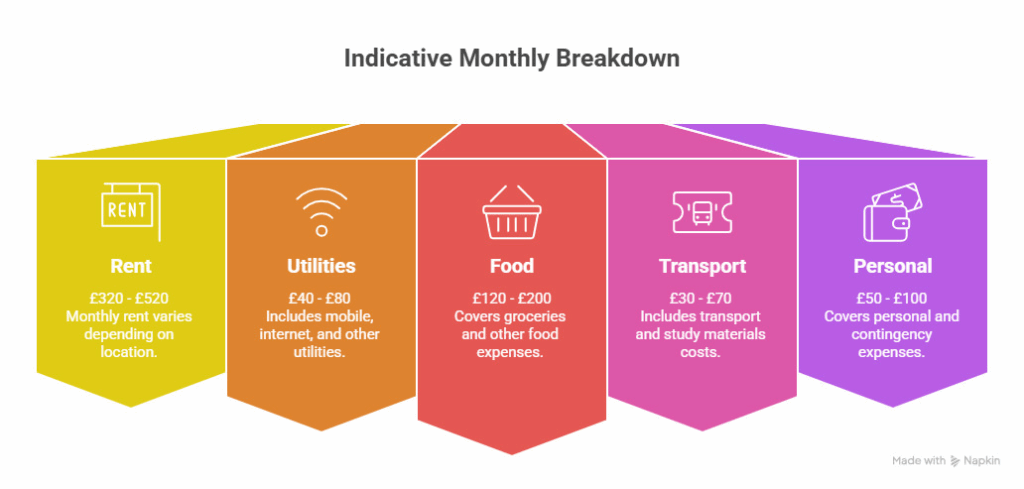
One-time and periodic charges: Visa fees, NHS surcharge, deposits, flights: £1,500 – £3,500 in the first year
How Grad-Dreams Helps You Secure the Right Low Cost Offer
We support applicants with a step-by-step approach to make studying abroad both affordable and rewarding. We match your budget, preferred city, and course value to your long term career goals, ensuring every choice maximizes return on investment. Our experts create a tailored shortlist that balances tuition, living costs, scholarships, and employability prospects. We actively search for scholarship opportunities and manage your applications to help your profile stand out. Deadlines, document checklists, and funding strategies are all tracked so nothing is missed.
Beyond admissions, we provide visa counselling, financial planning, and detailed pre-departure support covering cultural tips. This end-to-end guidance reduces stress, saves time, and gives you a clear, confident path to securing the right low cost offer abroad.
Author’s Takeaway
A clear action plan helps you convert options into real offers while keeping costs manageable for students. Start by mapping your total budget, factoring in tuition, city living costs, and scholarships to see what truly fits. Combine our recommended universities York St John, Cumbria, Hull, Leeds Trinity, Teesside, Bedfordshire with affordable cities like Belfast, Newcastle, and Sheffield to protect both your budget and experience. Focus on value: choose programs with strong teaching, career support, and realistic tuition forecasts.
Grad-Dreams will guide you to shortlist universities, hunt scholarships, manage applications, and plan visas, ensuring you secure offers that are both affordable and aligned with your long term goals. Share your budget and career aims with us, and we’ll create a personalized action plan to turn your study abroad dream into reality.
#FAQs

Vaibhavi K is your go-to Study Abroad Advisor at Grad-Dreams, dedicated to helping students like you achieve their dreams of studying at top universities worldwide. A History graduate from the University of Mumbai, Vaibhavi brings a rich understanding in admission strategies, scholarship opportunities, and visa navigation, making the often complex application process smooth and understandable more
Low-Cost Universities in the UK for International Students
Submit the form we will reply within Next 24 hours
Grad-Dreams Updates
Stay connected and get the latest updates by following us on our social media channels

Develop Must-Have Skills To Navigate Workplace Challenges And Build Executive Presence
Explore Topics
- Careers in Ireland (1)
- Careers in UK (2)
- Coaching & Test Preparation (0)
- Ireland Accommodation (0)
- Ireland Lifestyle & Cultural Adaptation (1)
- Ireland Programs & Courses (0)
- Ireland Scholarships (1)
- Ireland Student Visa (0)
- Irish Student Life (0)
- Lifestyle & Cultural Adaptation (13)
- Programs & Courses (3)
- Bachelors in UK (0)
- Foundation Courses UK (0)
- Masters & PhD in UK (3)
- Study in Ireland Guide (1)
- Study in UK Guide (12)
- Text (0)
- Page (0)
- Top Irish Universities (3)
- Top UK Universities (13)
- UK Accommodation (0)
- UK Scholarships (0)
- UK Student Life (14)
- UK Student Visa (0)
- Uncategorized (0)