The History of Guy Fawkes Night
Table of Contents
Every year on November 5, the UK lights up with fireworks and bonfires. This is Guy Fawkes Night, or Bonfire Night. It started in 1605 with a big event.
The Gunpowder Plot was a plan to blow up the Houses of Parliament. Guy Fawkes and his friends wanted to kill King James I. This night is a mix of history and fun, showing how it has changed over time.
Key Takeaways
- The origins of Guy Fawkes Night date back to the Gunpowder Plot of 1605.
- Guy Fawkes was a key figure in the attempt to blow up the Houses of Parliament.
- The well-known rhyme, “Remember, remember the fifth of November,” is closely associated with this event.
- Guy Fawkes Night serves as a reminder of political tension in England’s history.
- The festival has evolved from a serious commemoration to a family-friendly celebration.
- Fireworks symbolize the failure of the Gunpowder Plot, lighting up the night sky with joy.
The Roots of Guy Fawkes Night in 1605
The start of Guy Fawkes Night goes back to 1605. It’s tied to a big event in English history. A group of Roman Catholics were upset with King James I. They wanted him to let them practice their faith freely.
This anger led them to plan the Gunpowder Plot. They wanted to kill the king and blow up the Houses of Parliament. Their goal was to bring back Catholicism in a country moving towards Protestantism.
Robert Catesby was at the heart of this plan. He got Guy Fawkes to help with the gunpowder. But, their plan was found out before it could happen. This led to their execution for treason, a key moment in English history.
After the Gunpowder Plot was stopped, Guy Fawkes Night began. It’s a holiday that remembers the plot’s failure and the king’s safety. Over time, it became a way to show dislike for Catholics in England. Today, it’s a special day on November 5, showing the deep religious tensions in England.
The Gunpowder Plot: An Overview
The Gunpowder Plot of 1605 was a big deal in British history. A group of 13 people wanted to blow up the Palace of Westminster. They planned to do this during a big meeting on November 5.
Their goal was to kill King James I and his helpers. They wanted to start a big Catholic conspiracy to make Catholics the leaders again in England.
This was a big act of British treason. It was a desperate try to change history in a country divided. But, their plan was stopped when someone sent a secret letter. This letter warned a Catholic official about the danger.
Then, chaos happened. Guy Fawkes, the main plotter, was caught. This started a series of arrests and trials. These showed how tense the religious situation was in early 17th-century England.
The Gunpowder Plot had big effects. It changed how people saw Catholics in Britain. It also led to “Pope’s Night” in colonial Massachusetts. This shows the plot’s big impact on both sides of the Atlantic.
| Event | Date | Significance |
|---|---|---|
| Gunpowder Plot | November 5, 1605 | Failed assassination attempt on King James I |
| Fawkes’ Arrest | November 5, 1605 | Initiation of subsequent trials and executions |
| Pope’s Night | 17th Century | Cultural observance in colonial Massachusetts |
The Key Figures in the Gunpowder Plot
The Gunpowder Plot is a big deal in English history. It’s all about the key people involved. Robert Catesby was the main guy, wanting to bring back Catholic rule in England. He got a group of people to help him, including Guy Fawkes.
Guy Fawkes was an expert with explosives. He was in charge of the gunpowder. Thomas Percy helped find a place to store the explosives. They all worked together, wanting the same thing in a time of religious trouble.
The Jesuits also played a big part. They were seen as mysterious and added to the plot’s intrigue. Robert Cecil, on the other hand, was a key figure in stopping the plot. He showed how the authorities and the conspirators were always trying to outsmart each other.
Looking at what these people did gives us a peek into early 17th-century England. Robert Catesby, Guy Fawkes, and others showed us how far people will go for their beliefs.
The Historical Context: England During King James I’s Reign
The early 17th century was a hard time in England, under King James I. Tensions between Catholics and Protestants grew. The English monarchy pushed Catholics aside, leading to anger and a lack of voice.
The Gunpowder Plot of 1605 was a key event. It showed how desperate some Catholics were for change. They wanted to change the rules by targeting King James I.
Public events, like the Accession Celebrations, showed support for the king. But they also made people feel more divided. Plays were used to spread the crown’s values during these hard times.
| Event | Date | Significance |
|---|---|---|
| Gunpowder Plot | 1605 | Attempted assassination of King James I. |
| Accession Celebrations | November 17 | Reinforced loyalty to the monarchy. |
| Performances | December 27 | Entertainment similar to those on Guy Fawkes Night. |
| Plough Monday | Post-Christmas | Return to agricultural work with medieval customs. |
| Pancake Day | Shrove Tuesday | Tradition before Lent, reflecting Christian customs. |
| May Day | Spring | Celebrating fertility with pagan and Christian rituals. |
The time of King James I was full of social unrest and cultural practices. This time set the stage for Guy Fawkes Night. It shows how extreme reactions to Catholic persecution shaped this night’s celebrations.
The Arrest of Guy Fawkes
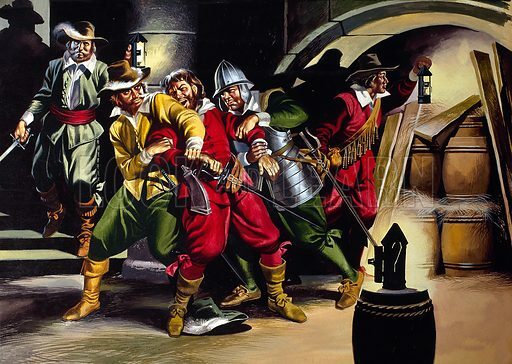
On November 4-5 1605, a big moment in British history happened. Guy Fawkes was caught with a lot of gunpowder in a cellar under the House of Lords. He planned to blow up King James I and his Parliament, a big act of treason.
Fawkes’ capture led to the discovery of the whole plot. The government was very worried and started looking into it more. Fawkes was very badly treated in the Tower of London. He was tortured to get him to talk, and he told who else was involved, a big Gunpowder Plot failure.
| Event | Date | Significance |
|---|---|---|
| Guy Fawkes Arrest | November 4-5 1605 | Start of the downfall of the Gunpowder Plot |
| Torture in the Tower | Post Arrest | Revealed identities of co-conspirators |
| Suppression of Catholic Dissent | Following Plot Revelation | Significant political and religious ramifications |
The plot’s failure had a big impact on Guy Fawkes. His arrest stopped the plot and started a big talk about loyalty and rebellion. It changed European politics for a long time.
The Immediate Aftermath of the Plot
The Gunpowder Plot caused big changes in British history. When people found out about the failed plot, they were shocked. The government quickly tried those involved.
Many were found guilty and were executed, including Guy Fawkes. This was a big moment in how England saw political dissent.
After the plot, Parliament made November 5 a day of thanks. It became a holiday to remember the king’s safety and warn against treason. This event changed how people thought about loyalty and betrayal.
Now, people celebrate with fireworks and bonfires. These started because of the plot. Guy Fawkes effigies are a big part of these celebrations, reminding everyone of the danger.
The Gunpowder Plot’s impact is seen every year. It’s a big part of British traditions and history.
Commemoration: The Birth of Guy Fawkes Night
Guy Fawkes Night, also known as Bonfire Night, started as a public holiday in 1606. It was made to remember the failed Gunpowder Plot. This plot was a plan by Roman Catholics to blow up the Houses of Parliament.
The early celebrations were against Catholics. People burned effigies of Guy Fawkes and the Pope. This showed their dislike for Catholics.
But over time, this tradition changed. It became a celebration with fireworks and bonfires. In the UK, people in rural areas love to celebrate with fireworks and fun activities.
In cities, Guy Fawkes Night is not as big. But in England, it’s a special event. It’s about coming together and enjoying each other’s company.
| Aspect | Details |
|---|---|
| Year Established | 1606 |
| Key Symbol | Effigies of Guy Fawkes |
| Common Activities | Bonfires, Fireworks, Community Gatherings |
| Celebration Date | 5th November |
| Geographic Popularity | More celebrated in rural areas |
| Historical Context | Failed Gunpowder Plot against King James I |
Traditional British Festivals: Guy Fawkes Night, Christmas in the UK
Guy Fawkes Night, also known as Bonfire Night, is a big deal in Britain. It happens on November 5th. It remembers when Guy Fawkes tried to blow up the Houses of Parliament in 1605.
People light big bonfires and fireworks. They also burn effigies, called “guys.” It’s a fun autumn event in the UK.
Christmas in the UK is all about joy and family. It’s a time for eating special foods like mince pies and mulled wine. Guy Fawkes Night has its own treats, like toffee apples and bonfire toffee.
Looking into these festivals shows how Guy Fawkes Night is part of British culture. When people come together, it feels like a big family. It keeps traditions alive.
The Evolution of Guy Fawkes Night Through the 17th Century
The history of Guy Fawkes Night changed a lot in the 17th century. It went from a serious day to remember treason to a fun celebration. It started as a way to remember the Gunpowder Plot that failed.
Over time, the event became more than just a memory. It turned into a way to celebrate Protestantism and defeat Catholic plots. People would gather around big bonfires and burn Guy Fawkes effigies. This made the event a big deal, showing everyone’s Protestant beliefs.
The government saw the good in these celebrations. They helped make sure the day was about more than just history. It was a way to keep people loyal to Protestantism. Looking back, we see how these celebrations were tied to the culture and politics of the time.
The Modern-Day Observance of Guy Fawkes Night
In Britain today, Guy Fawkes Night is a fun event for families and communities. Every November 5th, towns and cities light up with Bonfire Night. There are fireworks, music, and food stalls everywhere.
Local parks become places to gather. For example, London’s Victoria Park has a big bonfire and fireworks. There’s also a German beer festival, making it a hit spot.
In Edinburgh, Inverleith Park is great for families. It has fireworks and supports local charities. This way, people can enjoy the night and help others.
Cardiff’s Sophia Gardens has fireworks, music, and street food. In Inverness, Bught Park has bonfires, fireworks, and live shows. Greater Manchester’s Bowden Club has fireworks and rides, plus food.
Bristol’s Canford Park has a charity fireworks show. It’s organized by Skyburst and helps local causes. The Midlands’ Midland Railway offers fireworks and train rides. Leeds Castle has the biggest fireworks display, with music and rides.
The heart of Guy Fawkes Night is community spirit and history. Bonfires are lit, fireworks light up the sky, and Guy Fawkes effigies are burned. It’s now a fun festival for everyone, celebrating together.
The Significance of Fireworks in Celebrations
Fireworks are key in Guy Fawkes Night celebrations. They show the explosives that didn’t go off in 1605. People enjoy the bright colors and sounds, feeling joy and remembering important events.
At first, fireworks were about celebrating the King’s survival. Now, they’re a big part of Bonfire Night. Folks watch fireworks in parks, with bonfires and Guy Fawkes effigies, adding to the Guy Fawkes Night symbolism.
| Year | Significance of Fireworks | Celebration Style |
|---|---|---|
| 1605 | Attempted blow-up of Parliament | Small local gatherings |
| 1606 | Legal obligation to celebrate | Formalized public displays |
| 21st Century | Central feature of celebrations | Massive organized events |
Fireworks displays have changed over time. They’re now a big part of the fun, showing the tradition’s lasting appeal. Watching fireworks, whether at home or in public, celebrates victory over treason and community spirit.
Cultural Practices: From Effigies to Community Gatherings
Guy Fawkes Night is on November 5th. It’s filled with UK traditions. The night is famous for burning Guy Fawkes effigies. These remind us of the Gunpowder Plot of 1605.
Community events are key to the night. Kids ask for “a penny for the Guy.” This brings people together. Bonfires light up the sky, making it cozy for families and friends.
Now, effigies include modern figures too. This mix of old and new makes the night special. It shows how Guy Fawkes Night stays important in UK culture.
| Aspect | Description |
|---|---|
| Effigies | Traditionally made to depict Guy Fawkes, now sometimes includes political figures. |
| Bonfires | A central element where the effigies are burned, bringing communities together. |
| Fireworks | Spectacular displays that light up the night sky, enhance the celebratory mood. |
| Community Involvement | Encourages local gatherings, fostering friendships and shared experiences. |
Celebrations Across the United Kingdom
Guy Fawkes Night, or Bonfire Night, brings people together across the UK. On November 5, 2025, many celebrations will happen. Each one shows off the special customs of its area.
Lewes in East Sussex is famous for its big Guy Fawkes events. Seven bonfire societies organize these. They parade through town, showing Guy Fawkes and the Pope effigies, and flaming crosses.
Smaller towns have their own traditions, like family bonfire gatherings. These events help people come together and remember the Gunpowder Plot of 1605. Fireworks and burning effigies light up the sky, showing a moment from history.
These local customs make Guy Fawkes Night special. They mix local heritage with national pride. This shows what Bonfire Night means to many in the UK.
The Role of Local Traditions in Guy Fawkes Night

Local traditions make Guy Fawkes Night special in every place. Each area has its own Bonfire Night customs. These customs show off the local culture and history.
In many places, fireworks light up the sky. This makes everyone feel excited and united.
Families and friends come together to enjoy food like BBQ meat and candy floss. They play games like apple bobbing. This makes the night fun for everyone.
People wear light-up accessories to show their joy. This shows how important these local traditions are.
Burning effigies of Guy Fawkes reminds everyone of the Gunpowder Plot. It brings people together. This shared memory makes the celebration richer.
These traditions help communities remember their history. They also make everyone feel connected on November 5th.
The Influence of Pop Culture on Guy Fawkes’ Image
Pop culture has changed how we see Guy Fawkes. The book and movie “V for Vendetta” made him a hero. They talk about standing up against unfair rules.
Now, people remember him for more than just the Gunpowder Plot. His image today talks about big issues we face today.
The mask from “V for Vendetta” is now a cultural icon. It’s used by protesters all over the world. It shows how Fawkes has become a symbol of fighting against bad government.
This pop culture influence has changed how we see Fawkes. It also makes us think about our rights and power.
Fawkes’ image keeps changing through movies, books, and symbols. This makes his story more important than ever. It mixes his old story with today’s issues. This lets new people find meaning in his story.
Author’s Takeaway
Guy Fawkes Night, also known as Bonfire Night, is very important in the UK. It remembers the Gunpowder Plot of 1605, when people tried to hurt the king.
Now, it’s a fun night. People come together to watch bonfires, fireworks, and burn Guy Fawkes effigies.
This night is key to remembering important times in British history. It makes us appreciate British festivals more. It shows the UK’s unique culture, blending old and new.
Guy Fawkes Night brings people together. It makes us feel connected to our history and today. It’s a special way to celebrate our cultural heritage.
Author’s Bio
Vaibhavi K is an experienced Study Abroad Advisor at Grad Dreams, guiding students to top global universities. A graduate in History from the University of Mumbai, she specializes in admission strategies, scholarships and visa success, passionately helping students achieve their international education goals.
#FAQ
Submit the form we will reply within Next 24 hours

Develop Must-Have Skills To Navigate Workplace Challenges And Build Executive Presence
Explore Topics
Related Topics








Vaibhavi K is your go-to Study Abroad Advisor at Grad-Dreams, dedicated to helping students like you achieve their dreams of studying at top universities worldwide. A History graduate from the University of Mumbai, Vaibhavi brings a rich understanding in admission strategies, scholarship opportunities, and visa navigation, making the often complex application process smooth and understandable more